SPEAKER

Heath Lowndes

Co-founder & Director, Gallery Climate Coalition

Heath Lowndes is the Co-founder and Director of the Gallery Climate Coalition (GCC), an international charity providing sector-specific guidance and resources to help the visual arts reduce environmental impacts and embed climate responsibility.

He is also a Partner at Climate Action Services International (CASI), a social enterprise consultancy offering direct climate action support for arts organisations, and a Co-founder of Partners on Arts and Climate Targets (PACT), a global collective aligning climate goals across the cultural sector.

Before focusing on climate action, Heath worked with leading galleries and artist studios in London.
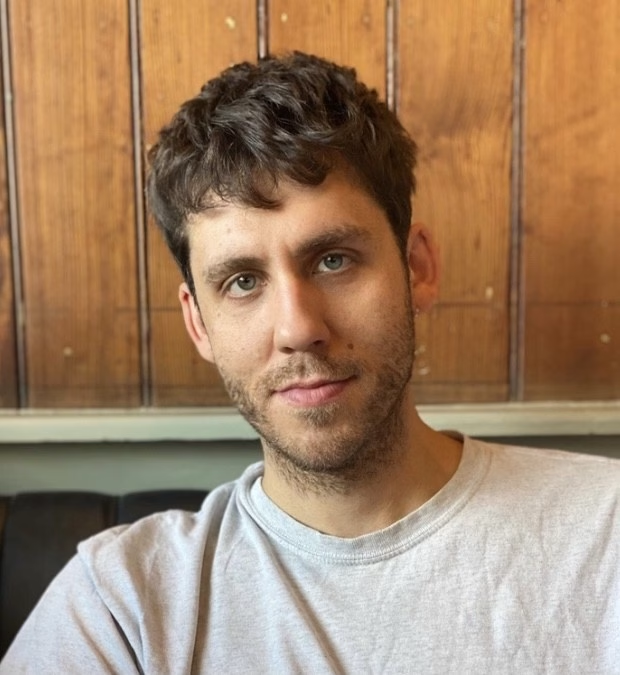

Heath Lowndes

Organisation Description

Gallery Climate Coalition (GCC) is an international charity working to accelerate environmental action across the visual arts. Founded in 2020, GCC has grown into a global coalition of more than 2,250 members across 65+ countries, representing a network of over 25,000 arts professionals, including artists, galleries, museums, non-profits and art sector businesses.

GCC combines practical, sector-specific expertise with the collective influence of its international membership to drive systemic change. It provides free tools, research, resources and guidance – including its industry-leading Carbon Calculator – while setting shared standards, aligning the sector around best practice and enabling collective action on the most urgent environmental challenges facing the arts. Alongside supporting organisations to reduce their environmental impacts, GCC works to empower artists and cultural leaders to use their platforms and influence to advocate for wider climate action.

GCC’s mission is to help the visual arts cut its environmental impacts, build resilience to increasing climate disruption, and harness the wider influence of art and culture to engage society in the environmental transition. Its goals include reducing the sector’s carbon emissions by at least 50% by 2030, promoting near-zero waste and building a more environmentally responsible and resilient cultural sector.